
DJ Michele Myers
Dance Party DJ: Festivals, Private Parties, Events and Custom Playlists.
DJ Michele Myers is well-known for her radio show “Friday Night Dance Party” on KEXP. And as a variety radio DJ and Producer for WNYE NYC, KEXP Seattle/San Francisco and KALX Berkeley.
Live performances include New Year’s Eve at Seattle Space Needle, Golden Gate Park, Olympic Sculpture Park, Nectar Lounge, The Showbox Seattle and and lots of private parties on the West Coast.
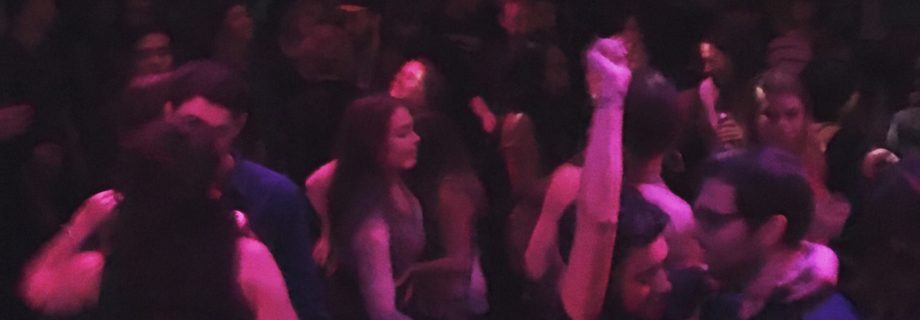
Michele specializes in upbeat sets, thoughtful curation and custom playlists. For live parties inviting guests to the dance floor with her energetic, multi-genre mix of favorites and new music.
Bookings: michele@soulfulalternative.com
Take a look at parties and find links to sets and playlists on my Instagram.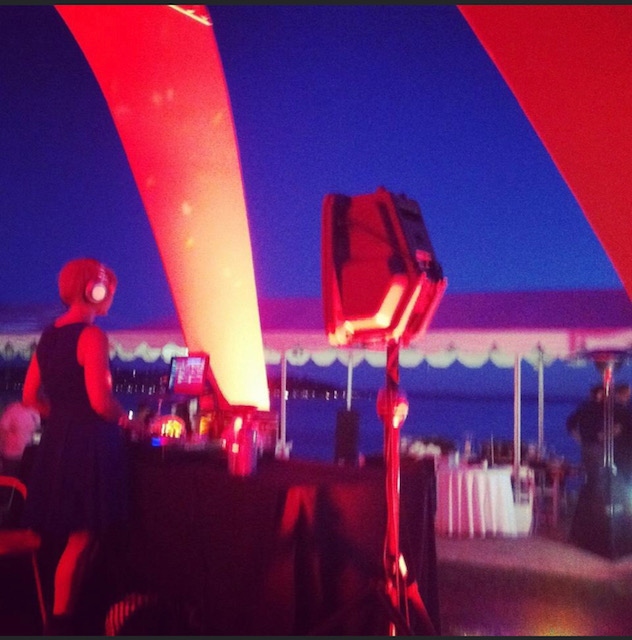
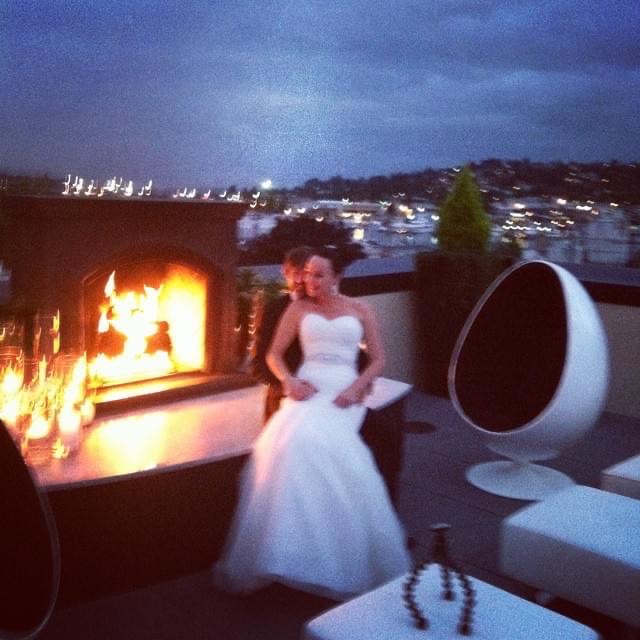
Having a party or event? I specialize in inspiring your guests to enjoy themselves on the dance floor and love for everyone at your party to feel included and celebrated.
You can choose from any genre or style. Played along with your favorite artists and songs. We will customize a mix for you and your guests. At the party I will respond to you and your guests’ tastes (within the mix you and I decide on) to create an energetic, warm and fun atmosphere.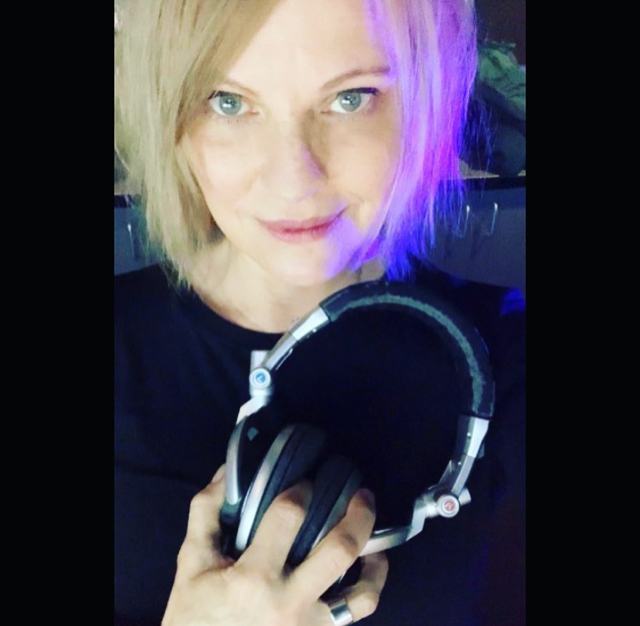
Testimonials:
Top-Notch Musical Experience
Michele provided a stress-free, top-notch musical experience for our party that far surpassed our expectations. From the beginning, she was great to work with: friendly, responsive, and reassuring. We set the parameters for the event, and Michele did the rest. We were blown-away by the soundtrack that she put together for us; it was the perfect musical accompaniment for our evening. And since no party would be completed without its share of hiccups, it was great to have Michele on board as her flexibility made accommodating last minute changes a breeze. – Jesse and Rachel, Seattle
The Most Fun
Michele Myers isn’t your ‘traditional’ DJ and I couldn’t be more grateful. Michele used her encyclopedic knowledge of hip-shaking songs to get every guest from 3 year-olds to grandmothers laughing, dancing and having an amazing time. I can’t even count how many folks came up to me and my wife and said ours was the most fun wedding they’ve ever been to and Michele was a huge part of that. If you want to have a smile crawl across your face every time you think about your wedding you need Michele. – Chris H, Seattle
We Loved the Music at Our Party
I just want to say thank you and that you did an amazing job. The music was perfect. It was really great working with you and again thank you for making our party so successful! We were really happy with the event! Laura from Seattle
We Had a Blast
We all just had a blast dancing to your sets tonight!
Thanks for all your hard work and amazing taste in music! Greg and Jessica, Washington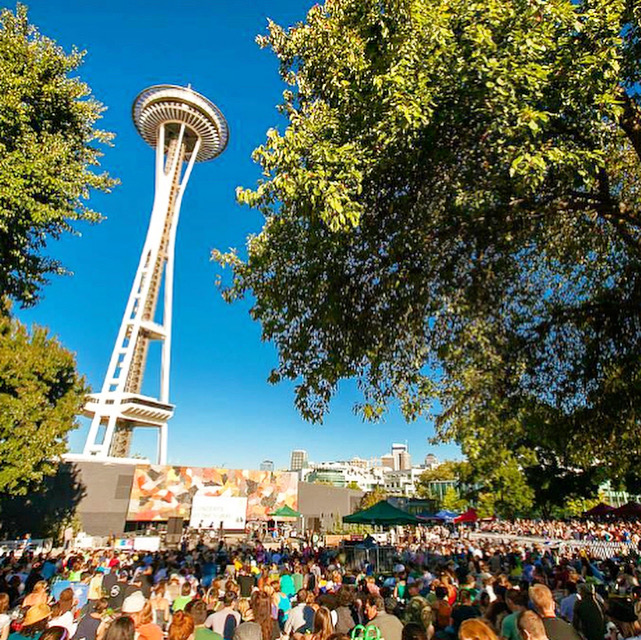
I would love to DJ your party or event (especially if there is dancing)! Or customize a playlist for you.
I have everything we need for DJ music and announcements and offer the following for your party:
Set up can be done whenever is most convenient for you day of the event. DJ sets can last as long as you like.
I will bring: My full (awesome-sounding) Mackie P.A. system, microphone for announcements, DJ decks, optional dance floor lights. I bring backup systems (plan b, c and d), so you have dependable sound.
MC Services (any announcements you’d like me to make) are included as desired.
I load in, line in and run my own sound system so you get DJ, sound system (for DJ music and announcements) and sound person in one. Microphones included.
All I need is an outlet and a table and I have everything else we need for DJ party music and announcements. Outdoor events do require a covered area for dj equipment.
Once we book I’ll send you a detailed list of music questions. We’ll meet up virtually (if you want to) and discuss the mix. I’m very dependable. My gear sounds amazing. I’m there to host musically alongside you for a once-in-a-lifetime party.
Please feel free to ask questions or say hello! michele@soulfulalternative.com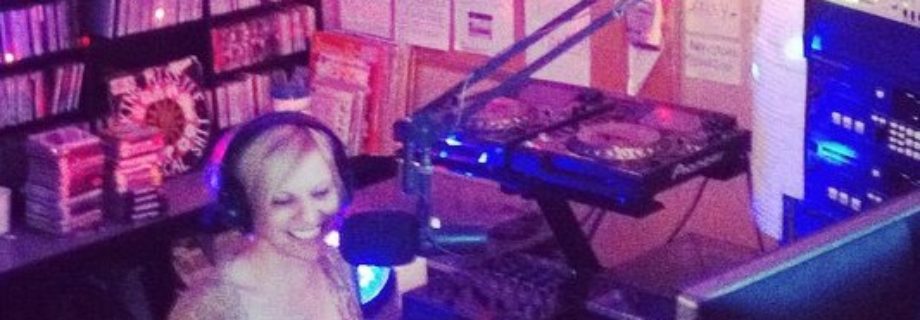
DJ Bio:
Michele’s upbeat sets have inspired crowds across the country, as a radio host at KEXP in Seattle, WNYE in New York City, KALX at University of California Berkeley and at live events. Michele is a graduate of U.C. Berkeley. She grew up in Pennsylvania, California and Hawaii.
An avid music, art and community advocate, Michele’s mixed dance songs at Seattle Space Needle New Year’s Eve for KEXP, Golden Gate Park in San Francisco, The Seattle Showbox, The Paramount Theatre, Seattle Art Museum, Chihuly Garden and Glass, The Crocodile, Bumbershoot and more. She volunteers DJ services to benefit homeless youth and a variety of other charities.
Michele’s been interviewed as a music expert by Rolling Stone Magazine and The New York Times. She taught radio production and writing at Seattle’s Art Institute. Her book of advice for musicians “50 Tips for Artists in the Music Business” has gotten rave reviews from readers and critics. Michele as a writer, researcher, music programmer and voice over artist led a team to produce over 200 short KEXP Documentaries on musical subjects for KEXP and NPR/WNYE.
You can find Michele’s writing and radio stories featured at Mo’ Pop (writer/voice artist for Jimi Hendrix audio exhibit), University of Washington (class material “Blues for Hard Times”), the Frye Museum (“Masters of Turntablism” series) and the Smithsonian Institute (co-producer “American Sabor: Latin Innovators in U.S. Popular Music”). Available for bookings. michele@soulfulalternative.com